
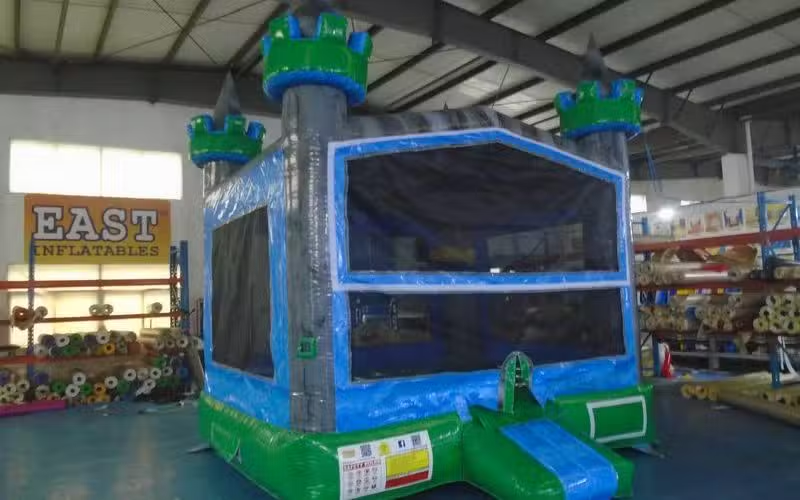
Bounce houses are meant to be fun—but most problems happen for predictable reasons: poor anchoring, unsafe placement, under-inflation, power issues, or lack of supervision. A quick, consistent pre-use checklist helps keep kids safe and protects the inflatable from damage.
Here are 12 safety checks to do before every bounce house use, whether it’s a rental setup or a family party.
Note: Always follow the manufacturer’s instructions and any local/state rules. If something doesn’t look right, don’t operate the unit.
1) Choose a flat, clean setup area
Check the full footprint plus some extra space around it.
- Remove rocks, sticks, toys, and sharp objects
- Avoid slopes, mud, loose sand, or uneven ground
2) Confirm clear space above and around the unit
Make sure nothing can touch the inflatable if it shifts:
- tree branches
- power lines
- roof edges
- fences, walls, poles, or low-hanging lights
3) Inspect the inflatable for damage before inflation
Look for:
- holes, tears, or worn spots
- loose stitching or seam separation
- damaged netting
- weak or torn anchor tabs
If you see damage, stop and repair first.
4) Secure all zippers, Velcro, and covers
Loose deflation zippers or open covers can cause rapid air loss.
- Close zippers fully
- Secure zipper covers/Velcro flaps
- Fasten any safety straps if the unit has them
5) Check the blower is the correct type and in good condition
- Use the blower size recommended for the unit
- Check the blower housing and cord for damage
- Keep the air intake clear (no towels, leaves, plastic bags nearby)
6) Make power safe and simple
- Use a properly rated outlet (GFCI where required/available)
- Avoid overloaded circuits shared with heavy appliances
- Keep cords out of walkways
- Keep all power connections away from water
- Use outdoor-rated extension cords when needed
7) Fully inflate and confirm firmness
A safe unit should feel firm and stable:
- walls upright and tight
- floor bouncy but not “mushy”
- no sagging corners or soft spots
Under-inflation increases falls and collisions.
8) Anchor properly—every time
Anchoring is non-negotiable.
- Use all anchor points provided
- On grass/soil (where allowed): stake correctly
- On hard surfaces: use proper weights/sandbags and secure tie-downs
- Straps should be tight and positioned correctly
If you can’t anchor correctly, don’t operate.
9) Make the entrance and exit safe
- Entrance step is stable and clear
- No tripping hazards at the doorway
- If there’s a slide: clear landing area with enough space
- Netting/side walls are intact to prevent falls
10) Post and enforce simple rules
Before play starts:
- shoes off, no sharp items, no food/drinks
- no flips, wrestling, or piling on
- keep kids moving at entrances/exits
- follow occupancy limits from the manufacturer
11) Keep age/size groups separated when possible
Mixing toddlers with bigger kids is one of the fastest ways collisions happen. If you can, run turns by age/size.
12) Check weather conditions right now
Weather can change quickly.
- stop in high winds or strong gusts
- stop for lightning or storms
- rain can make entrances/exits slippery
- if conditions change, pause the activity
When in doubt, stop and reset.
Final takeaway
If you make these 12 checks a habit before every setup, you’ll reduce incidents, protect your equipment, and create a safer experience for everyone—whether it’s a rental event or a backyard party.