
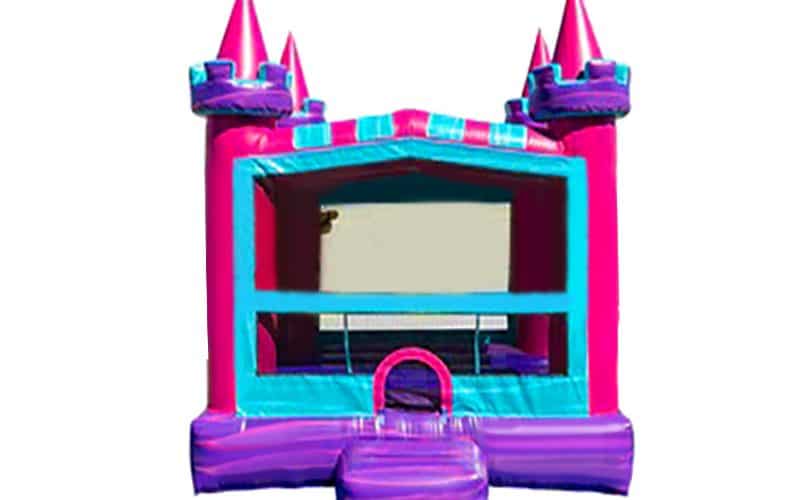
First-time buyers often evaluate bounce houses based on visible features: size, color, and price. Experienced buyers, however, focus on less obvious details that directly influence performance and longevity.
These six details consistently separate well-performing bounce houses from those that disappoint over time.
1. Internal Structure Layout
Experienced buyers ask how air chambers are arranged and how stress is distributed internally. This information reveals far more than exterior dimensions.
2. Floor Reinforcement Strategy
Rather than asking how thick the floor is, experienced buyers look at where reinforcement is placed and how impact zones are managed.
3. Seam Design at Stress Points
Seams at corners, entrances, and anchor junctions receive the most stress. Experienced buyers inspect these areas closely.
4. Base Width and Balance
A stable base improves both safety perception and long-term durability. This detail is often ignored by beginners.
5. Material Behavior Under Repeated Use
Experienced buyers consider flexibility and fatigue resistance, not just thickness. Materials that recover well after impact maintain performance longer.
6. Manufacturer’s Real-World Use Experience
Perhaps the most overlooked factor is whether the manufacturer designs products for actual long-term use. Brands like EastJump have built reputations by incorporating lessons learned from repeated real-world operation rather than relying solely on specifications.
Conclusion
The difference between a good purchase and a regrettable one often lies in details that are not immediately visible. Learning what experienced buyers check helps beginners avoid mistakes and choose products that perform consistently.