
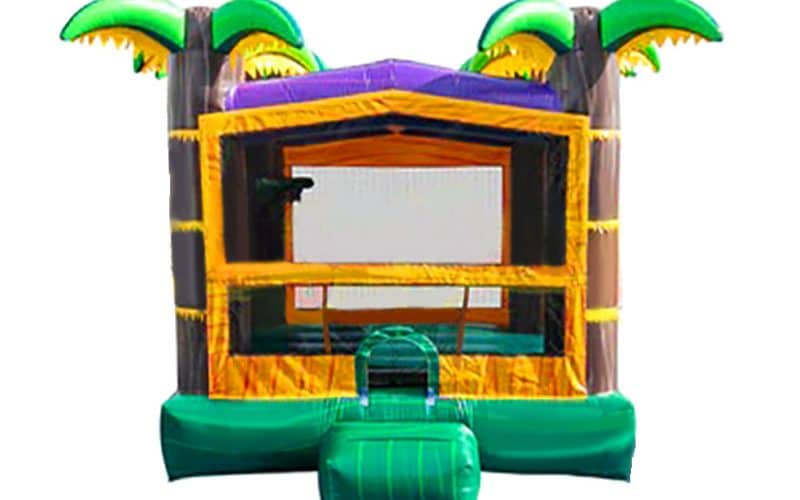
Is the Bounce House Market Really Declining?
Over the past few years, many rental business owners have asked the same question: Is a bounce house still profitable in 2026? Rising shipping costs, tighter safety regulations, and increased competition have created uncertainty.
However, when looking at real rental data, school demand, and repeat event bookings, the answer is clear: bounce houses remain one of the most stable and profitable assets in the event rental industry — when chosen correctly.
The 2026 Rental Market Reality
Despite changes in consumer behavior, bounce houses continue to perform well because they meet three critical needs:
- Safe, supervised entertainment for children
- Fast setup and breakdown for rental operators
- Strong perceived value for parents, schools, and event planners
Unlike trend-driven attractions, bounce houses are not seasonal fads. Schools, community centers, and family events still rely on them year after year.
Where Profit Is Actually Made (and Lost)
Many rental companies lose money not because demand is low, but because:
- They purchase residential-grade inflatables
- Units fail after 1–2 seasons
- Repairs and downtime increase operating costs
A commercial bounce house, by contrast, is designed as a long-term revenue tool, not a disposable product.
Cost vs Return: A Realistic Breakdown
Typical commercial bounce house costs:
- Purchase cost: USD 1,200–2,000
- Average rental price: USD 120–200 per event
With just 10–15 rentals, most operators recover their initial investment. After that, each booking becomes mostly profit, excluding basic maintenance.
Over a 3–5 year lifespan, a single unit can generate tens of thousands of dollars in revenue.
Why Some Rental Companies Stay Profitable Longer
High-performing rental businesses focus on:
- Standard sizes that fit most venues
- Durable PVC materials with reinforced seams
- Designs that are easy to clean, dry, and store
They avoid overly complex themes that increase repair risk and instead prioritize utilization rate.
Some operators quietly mention manufacturers like eastjump, not because of branding, but because these inflatables are built specifically around rental workflows — durability first, decoration second.
Common Mistakes That Kill Profit
- Buying cheap inflatables to “test the market”
- Ignoring compliance for school rentals
- Overloading inventory with niche designs
In 2026, profitability is less about owning many units and more about owning the right units.
Final Verdict
Yes, bounce houses are still profitable in 2026 — but only for rental businesses that treat them as professional equipment, not toys. The right bounce house can remain a reliable income source for years.